Smart Home Energy Efficiency: How Technology Reduces Bills
Modern smart devices are not just a trend, but a real tool for saving resources. Automating heating, lighting, and appliance control systems allows for optimizing energy consumption, which directly impacts utility bills.
A key element is the smart thermostat. It analyzes your schedule, the weather outside, and even the presence of people in rooms to maintain a comfortable temperature exactly when it's needed. As a result, heating or air conditioning doesn't run unnecessarily.
Smart thermostat — the brain of the climate control system
Smart plugs and relays are equally important. They allow for remotely turning off "sleeping" appliances that consume electricity even in standby mode (TVs, chargers, game consoles). You can program them to turn off at night or when no one is home.
Analysis and Control
Special applications provide detailed statistics on energy consumption for each device. This helps identify "energy-hungry" consumers and adjust their usage. For example, you might discover that an old refrigerator consumes twice as much as a new energy-efficient model.
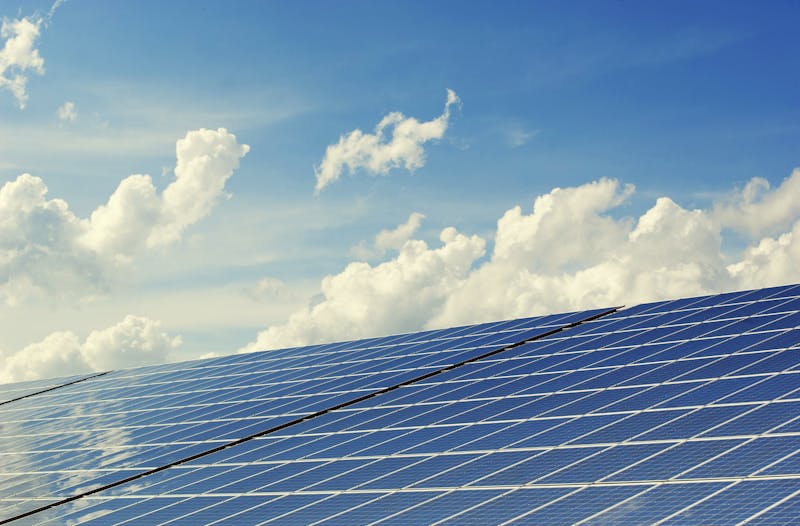
Integration with solar panel systems takes energy efficiency to a new level. A smart home can redirect excess generated energy to heating water or charging a home battery, minimizing dependence on the main grid.
Implementing such technologies is an investment that pays for itself in 1-3 years. In addition to direct savings, you contribute to environmental preservation by reducing your carbon footprint.